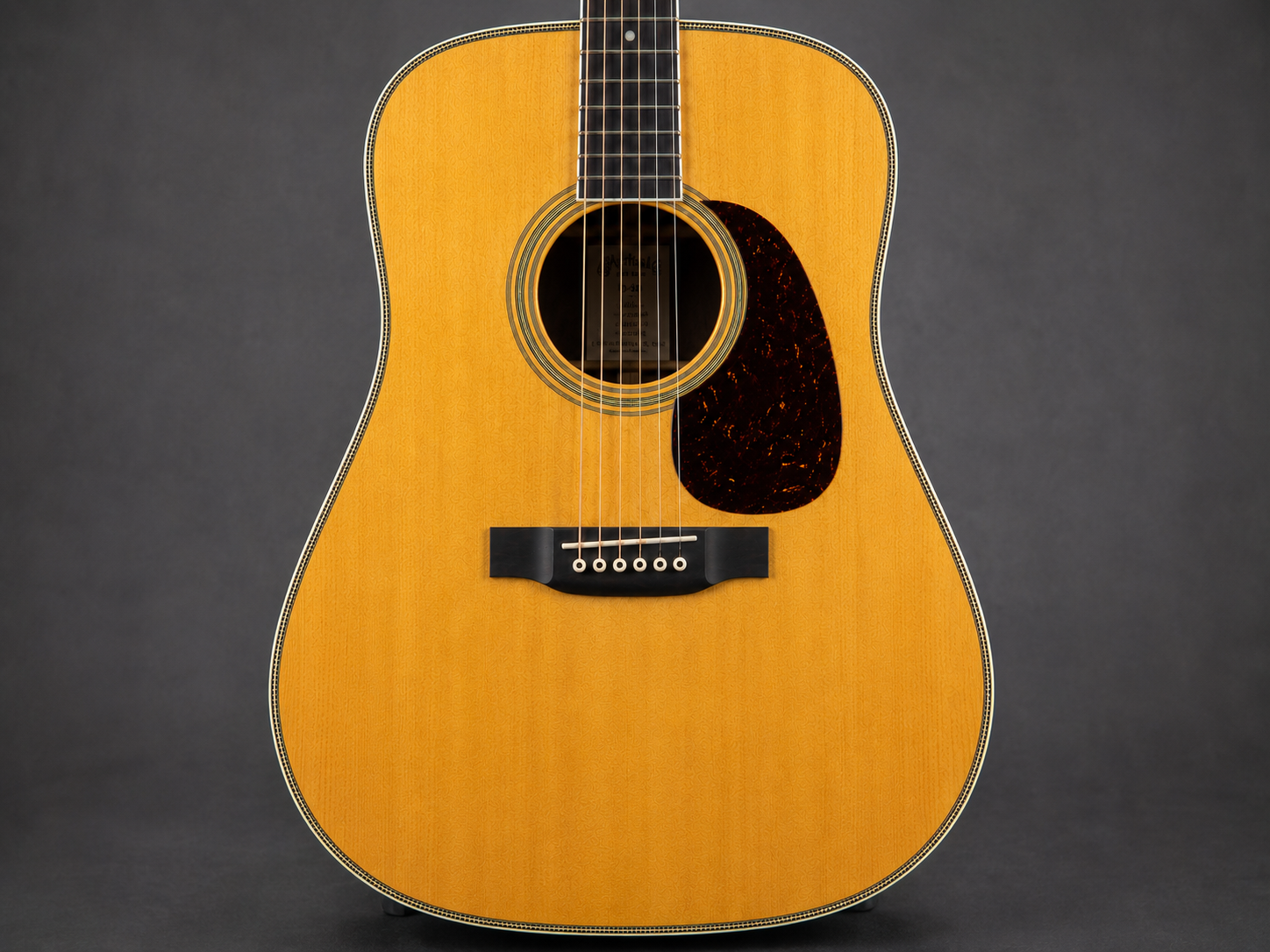
ToneProof creates a verifiable identity record using natural wood-grain patterns where visible, and precise structural landmarks where they're not — including painted, finished, and veneer surfaces.
A secure identity for every stringed instrument.

ToneProof registry records are designed to support provenance, resale, and insurance documentation.
One identity record, captured once, that protects your instrument for as long as you own it — and helps anyone verify it after that.
Captured from natural wood-grain patterns where visible, or precise structural landmarks where they're not — including painted, finished, and veneer instruments.
That same record can be used to authenticate the instrument later — no special equipment, just a mobile device.
Anyone can check the registry for free with a mobile device — Make, Model, Lost/Stolen status, and the instrument's full record history for provenance and insurance documentation.
Serial numbers and stickers can be modified or swapped. ToneProof captures the instrument's own unique identity instead.
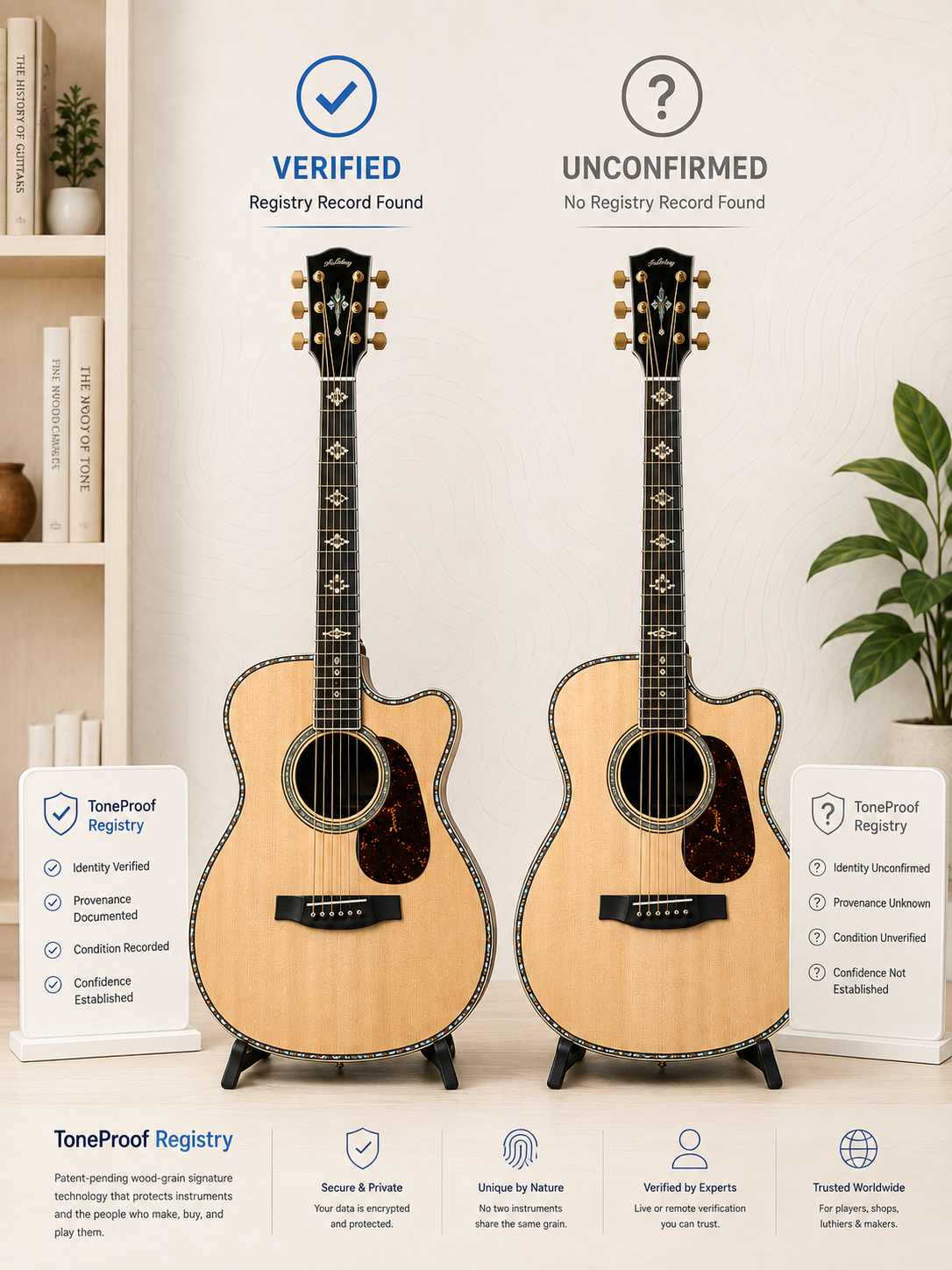
Check whether an instrument already has a ToneProof registry record. Enter a Seal Code or, if signed in, compare an instrument identity photo against the registry.
Check RegistryCreate a secure ToneProof registry record with instrument identity details, archive images, condition notes, and optional wood-grain signature capture when visible.
Start Registry EnrollmentBook a guided ToneProof Verification Service session to strengthen registry confidence, document condition, review identity details, and support resale or insurance documentation.
Learn About VerificationWhen visible, wood-grain signatures can be captured during Registry Enrollment or a Verification Service session to support future registry checks.
Enter a Seal Code to check for a registry record and open the full instrument details — no account required for a public lookup.
Start with a ToneProof Seal Code to check for an existing registry record.


Every registry record starts one of two ways — through a ToneProof partner, or independently by the owner.
Newly built instruments, added by partnering manufacturers and luthiers before they're sold — think of it as the instrument's birth record.
Used instruments enrolled after verification by a partnering luthier or music store.
Tied to the partnering luthier or music store for lifelong accountability, giving future buyers a documented, professionally-verified history.
Self-enrolled by the owner, with no ToneProof professional involved — a fast way to document an instrument's condition now.
Great for musicians who want their instrument on record right away without scheduling a session — a starting point that can later be upgraded to a Partner Verified or Verified Record.
Enrolled during a live virtual session with a ToneProof professional — a neutral third party.
Hardware and electrical components, wear and tear, noted repairs, and any damage are checked and photographed for an added layer of trust. Commonly used for insurance verification and resale.
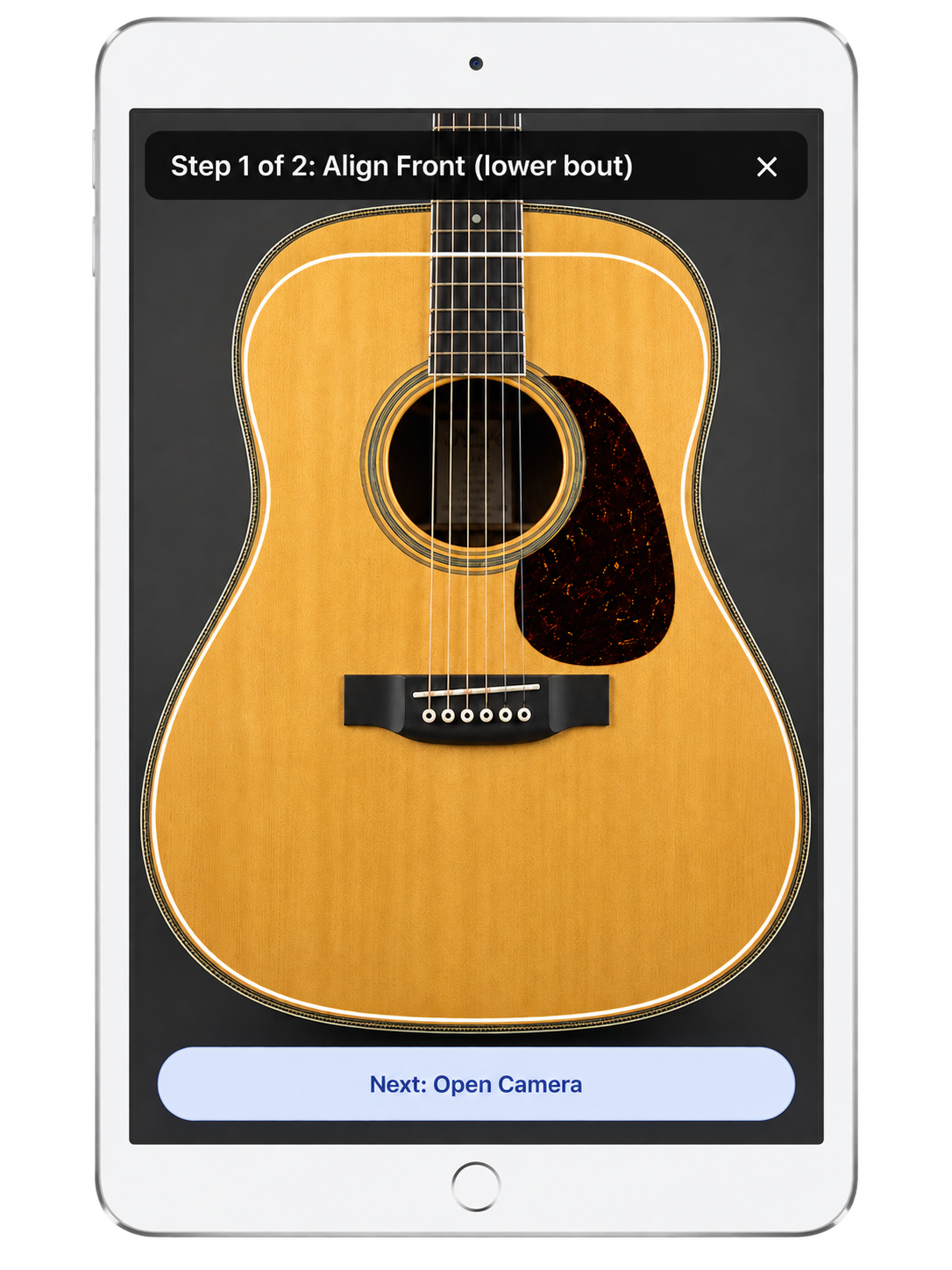
A guided capture step during Registry Enrollment or a Verification Service session — align, capture, and the instrument's registry record is ready.

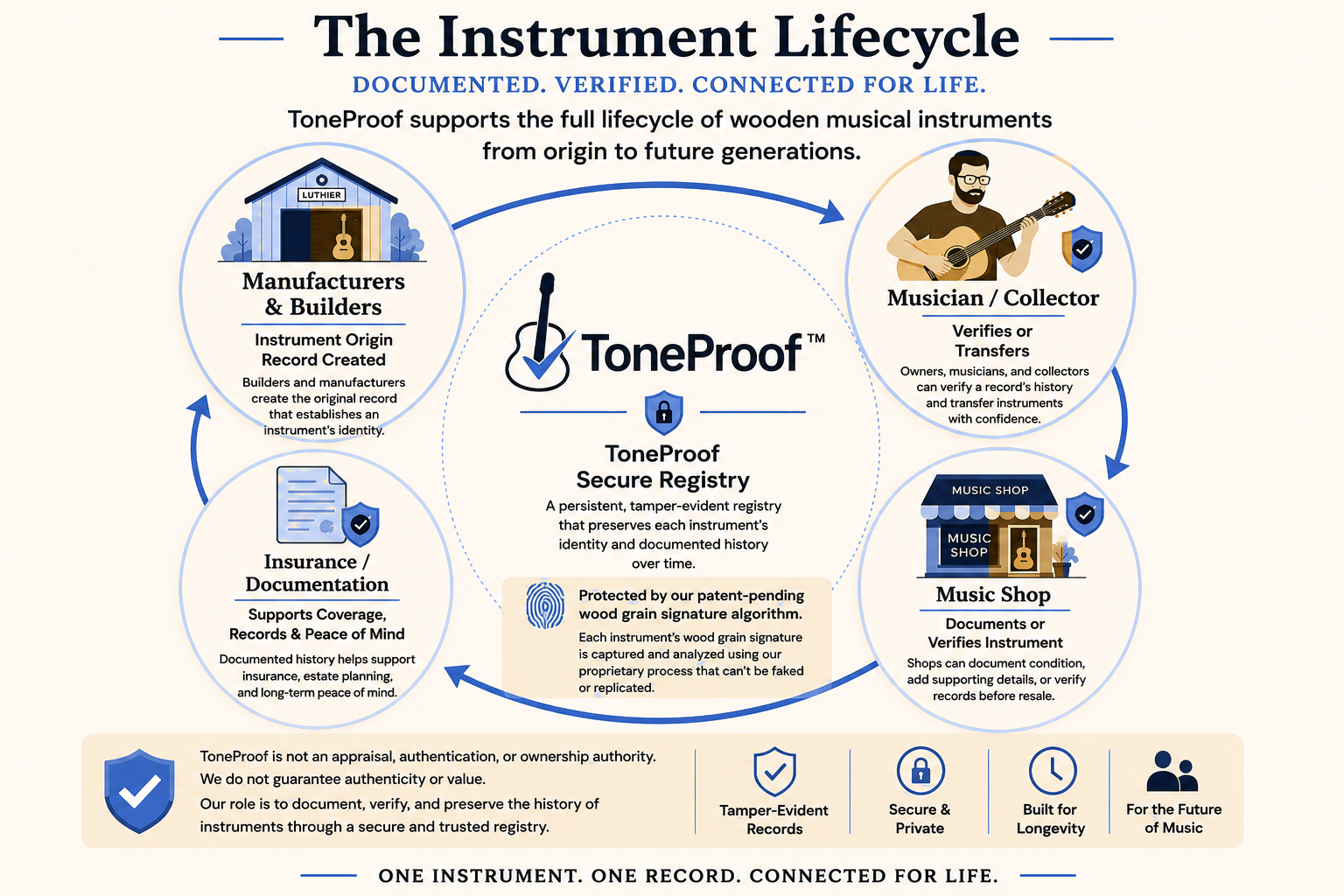
ToneProof was designed to support the long-term identity lifecycle of wooden musical instruments — from manufacturer or builder origin records, to musician and collector verification, resale, documentation, and future registry checks.
At the center of this lifecycle is ToneProof’s patent-pending surface identity process — using natural wood-grain patterns where visible, or precise structural-landmark positioning where they're not — connecting every instrument to a persistent registry record.
Every instrument has a unique surface identity — natural wood-grain patterns where visible, or precise structural landmarks where they're not. ToneProof captures that identity and anchors it to a registry record so the instrument can be identified and verified over time.
A clear photo of the instrument’s surface — wood grain or structural landmarks — is captured during Registry Enrollment or a Verification Service session.
ToneProof analyzes the natural grain or structural landmarks and creates a unique signature that represents the instrument’s identity.
The identity signature is stored in the ToneProof registry along with the instrument’s enrollment details.
Years later the same instrument can be verified by comparing new photos against the registry record.